


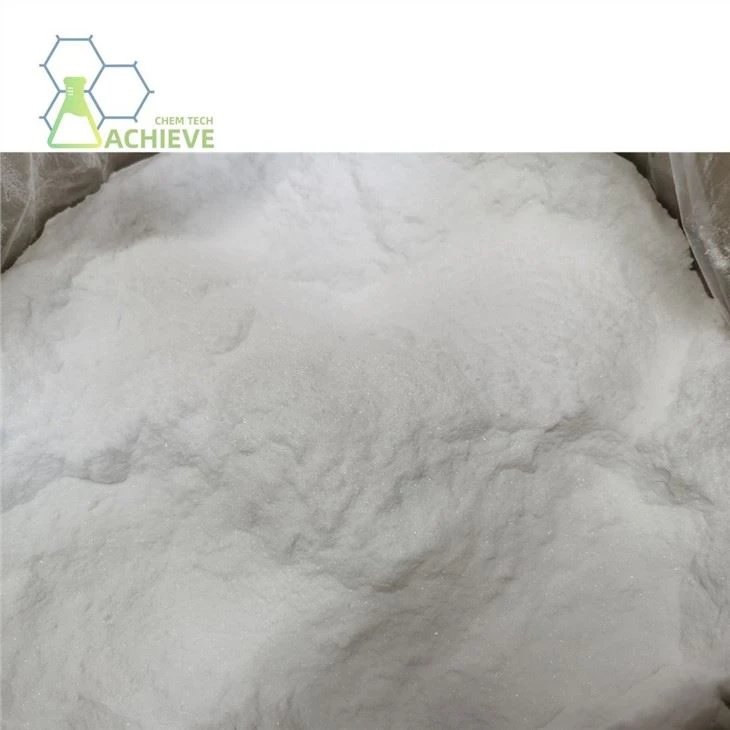

, the core component of nonenamide, with the chemical name trans-8-methyl-N-chairin-6-nonenamide, chemical formula C18H27NO3, CAS 2444-46-4, is a white crystalline powder that is insoluble in water but easily soluble in ethyl acetate, methanol, ethanol, etc. It is an effective ingredient of pepper, which is irritating to mammals including humans and can cause a burning sensation in the mouth. It can be added as a food additive to food, and as a food seasoning, chili needs to be lightly processed to make chili sauce, etc. But when consuming these products, their capsaicin undergoes a leaching process, and the bioavailability of capsaicin is not high. At the same time, alkali continues to be released in the intestine, stimulating the intestinal wall, which can cause abdominal discomfort, even anal burning pain, and induce hemorrhoids. Therefore, extracting and isolating capsaicin from chili peppers as an additive in food processing is beneficial for controlling spiciness and fully absorbing and utilizing capsaicin.

|
C17H27NO3 |
|
|
293 |
|
|
293 |
|
|
m/z |
293 (100.0%), 294 (18.4%), 295 (1.6%) |
|
C, 69.59; H, 9.28; N, 4.77; O, 16.36 |
|
|
|


Synthetic capsaicin: vanillin hydrochloride (3-methoxy-4-hydroxybenzylamine hydrochloride) is used as raw material, and hydrochloric acid is removed by sodium hydroxide to obtain vanillin (3-methoxy-4-hydroxybenzylamine). After fully drying, it reacts with n-nonyl chloride in dichloromethane solution as solvent under neutral conditions, and the crude product is filtered and treated with acid and alkali to obtain the product. The structure of the product was confirmed by gas chromatography, IR and NMR. The preparation method of this process has the characteristics of mild conditions, convenient post-treatment operation and high product purity, and can be industrialized.


, as the main active ingredient in chili peppers, has shown wide application value in various fields such as food, medicine, cosmetics, agriculture, etc. due to its unique spicy taste and various biological activities.
The most direct use of capsaicin is as a seasoning, adding a spicy flavor to food. In cooking, capsaicin is widely used in various dishes such as Sichuan cuisine, Hunan cuisine, etc., which can enhance the taste and flavor of food and increase appetite. In addition, capsaicin can also be used to make seasonings such as chili sauce and chili oil, meeting the taste needs of different consumers. Capsaicin can also be used as a food additive to improve the color, flavor, and shelf life of food. For example, chili pigment, as a component of capsaicin, is a carotenoid present in chili peppers. It has a natural red color and can be used to color various foods such as ice cream, pastries, ice cream, popsicles, biscuits, cooked meat products, artificial crab meat, sauces, candies, etc.

In addition, capsaicin also has certain antibacterial effects, which can extend the shelf life of food and reduce the risk of food spoilage. With people's pursuit of a healthy diet, capsaicin has also been developed into functional foods. Research has shown that capsaicin has various health benefits such as promoting metabolism, weight loss, lowering blood pressure, and lowering blood lipids. Therefore, functional foods containing capsaicin, such as weight-loss tea and blood pressure lowering drinks, are gradually gaining popularity among consumers.
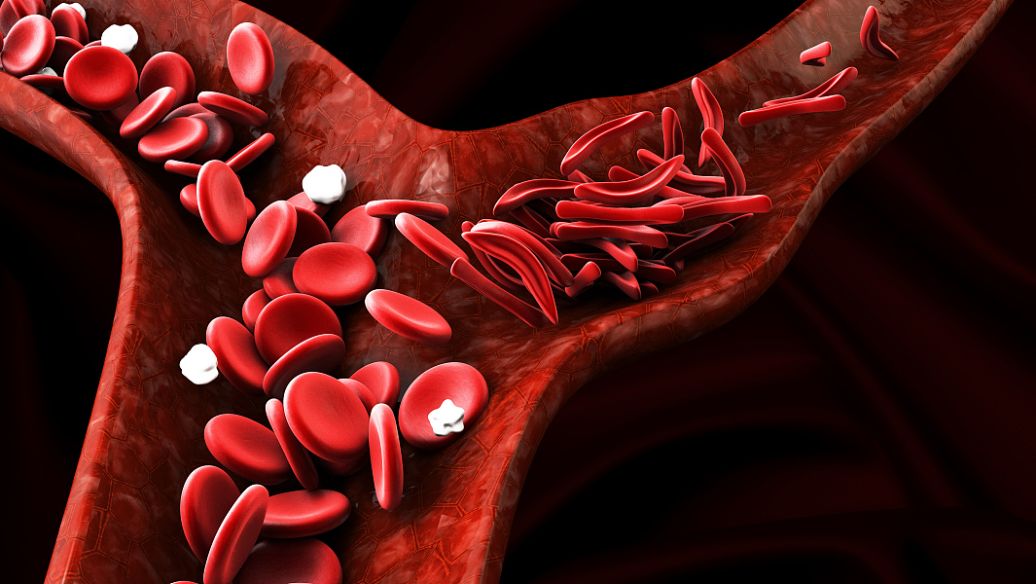
Capsaicin has significant analgesic and anti-inflammatory effects. It can relieve pain by stimulating nerve endings and releasing substances such as endorphins. In medicine, capsaicin is widely used to treat various painful diseases such as arthritis, muscle pain, back pain, and neuropathic pain. In addition, capsaicin can also be used to make capsaicin ointment, which is used to treat traumatic pain such as muscle strains and joint sprains. Capsaicin has the effect of dilating blood vessels, promoting blood circulation, and accelerating blood flow. This helps to increase the oxygen supply and clearance of metabolic products in the body, which is beneficial for cardiovascular health. Therefore, capsaicin is used to make some drugs or health supplements that improve blood circulation to prevent and treat cardiovascular diseases.
Capsaicin has certain antioxidant and anti-inflammatory functions. It can help alleviate inflammatory reactions, reduce free radical damage in the body, and protect cells from damage and aging. In medicine, capsaicin is used to study and treat some diseases related to oxidative stress and inflammatory reaction, such as cancer, diabetes, neurodegenerative diseases, etc. Research has shown that capsaicin can lower serum cholesterol, triglycerides, and low-density lipoprotein levels, thereby reducing the risk of cardiovascular disease. In addition, capsaicin can dilate blood vessels, lower blood pressure, and prevent cardiovascular diseases such as hypertension. Therefore, capsaicin is used to make some drugs or health products that lower blood pressure and blood lipids. Capsaicin also has various medicinal values such as antibacterial, antiviral, and digestive promotion. It can inhibit the growth and reproduction of bacteria, fungi and other microorganisms, and prevent and treat some infectious diseases. Meanwhile, capsaicin can also promote gastrointestinal peristalsis, increase gastric acid secretion and digestive enzyme activity, which helps digest food and prevent digestive disorders and other diseases.


Capsaicin has various applications in skincare products. Firstly, it can promote blood circulation in the skin, increase skin temperature, stimulate sweat gland secretion, and make the skin more delicate and elastic. Secondly, capsaicin has a certain antioxidant effect, which can protect the skin from free radical damage and delay the aging process of the skin. In addition, capsaicin can also be used to make weight loss creams and other weight loss products, achieving weight loss by promoting fat metabolism and consumption.
Capsaicin is also used in cosmetics to create products with special effects. For example, some lipsticks or lip glazes contain capsaicin, which can stimulate blood circulation in the lips and make them more rosy and shiny. However, due to the irritant properties of capsaicin, its use in cosmetics requires careful dosage control.
Capsaicin can also be used to make some personal care products, such as shampoo, shower gel, etc. It can promote blood circulation in the scalp and skin, improve problems such as dandruff and dry skin. Meanwhile, capsaicin also has a certain antibacterial effect, which can clean bacteria and dirt on the scalp and skin surface.


Capsaicin is used to make anti riot equipment, such as pepper spray, because of its strong irritation. When the spray hits the body parts of the demonstrators, especially the eyes and mucous membranes, the demonstrators will feel very painful, so as to disperse the crowd. However, it should be noted that the use of capsaicin spray needs to strictly comply with relevant laws, regulations and ethics.
In the field of scientific research, capsaicin is also widely used to study physiological and pathological processes such as pain transmission, inflammatory response, and oxidative stress. By studying the mechanism of action and signaling pathways of capsaicin, scientists can gain a deeper understanding of the essence of these physiological and pathological processes, and provide theoretical basis for the development of new drugs and treatment methods.
With the increasing awareness of environmental protection, the application of capsaicin in the field of environmental protection has gradually attracted attention. For example, capsaicin can be used to make biodegradable plastic materials to reduce the environmental pollution caused by traditional plastics. In addition, capsaicin can also be used to treat harmful substances in industrial wastewater and domestic sewage, achieving the goal of purifying water quality.


has certain insecticidal and bactericidal effects, so it can be used as a natural pesticide. It can be made into plastic pellets and coatings to prevent termites and mice, used to protect crops from pests and mice. In addition, capsaicin can also be used to make biofouling paints to prevent marine organisms from adhering to ships and equipment.
Research has shown that capsaicin has a certain regulatory effect on plant growth. It can promote photosynthesis and respiration in plants, improve their stress resistance and yield. Therefore, capsaicin is used to research and develop some plant growth regulators to improve the growth status of crops and increase yields.
Capsaicin can also be used to make soil amendments. It can improve soil structure, increase soil fertility, and enhance the soil's ability to retain water and nutrients. This is of great significance for promoting crop growth and improving the quality of agricultural products.

1. Capsaicin receptor and its role:
Capsaicin binds with VR1 and activates the membrane ion channel directly coupled with the receptor, which is a relatively nonspecific cation channel. After the channel is opened, calcium ions (also sodium ions) enter the cell, potassium ions exit the cell, and some chloride ions enter the cell to balance the charge accordingly. The VR1 coupled channel is different from the voltage gated channel. It cannot be blocked by sodium, potassium and calcium channels. But it can be blocked by ruthenium red. Gum lipotoxin, a capsaicin homologue isolated from the milk of Euphorbia tree gum plants, can also activate VR1 and has a more powerful effect. Capsaicin is a competitive antagonist of VR1, but it itself does not cause pain or pain, indicating that it has no corresponding ligand binding to the pain site.
The response of primary sensory neurons of VR1 negative mice cultured in vitro to various harmful stimuli was severely weakened. Therefore, some people believe that VR1 plays a key role in the transmission of multiple nociceptive stimuli, and even that VR1 is essential for pain perception.
2. Neuropeptide release:
activates VR1, calcium dissociation channels are opened, calcium ions flow inward, and the concentration of calcium ions in the cytoplasm increases, causing neurons and their fibers to release neuropeptides, such as substance P, neurokinin A, calcitonin gene-related peptide, vasoactive intestinal peptide, and excitatory amino acids, such as glutamate and aspartate. The specific mechanism of capsaicin induced release of substance P from nerve cells is not completely clear. In the experiment of cultured rat dorsal root ganglion cells in vitro, it was found that capsaicin induced release of substance P may be through two mechanisms: one is dependent on extracellular calcium ions and synaptosomal coupling protein 25kpa (SNAP-25); On the other hand, capsaicin can successfully stimulate ganglion cells to release substance P without SNAP-25 in the absence of extracellular calcium ions.
Nonivamide exhibits both nociceptive and analgesic effects, primarily due to its dual physiological actions as a TRPV1 receptor agonist. The specific mechanisms are as follows:

TRPV1 Receptor Activation
Nonivamide is a potent agonist of TRPV1 (Transient Receptor Potential Vanilloid Subtype 1). TRPV1 receptors are widely distributed in sensory nerve endings (e.g., skin, mucosa, joints) and are sensitive to heat (>43℃), mechanical stimuli, and chemicals (e.g., capsaicin, acidic environments). When Nonivamide binds to TRPV1, it triggers calcium influx, causing neuronal depolarization and generating action potentials.
Activated TRPV1 neurons transmit signals to the spinal cord and brain, triggering intense burning or stinging sensations. At low concentrations, this effect manifests as localized burning (e.g., skin contact with chili peppers), while higher concentrations may induce pain (e.g., Nonivamide in pepper spray).
Nonivamide's irritant properties may also induce local inflammatory responses (e.g., redness, swelling, itching), further amplifying pain signals. For instance, skin exposed to Nonivamide may experience heightened pain due to vasodilation and immune cell infiltration.
Short-Term Stimulation vs. Long-Term Desensitization
Short-Term Effects: Initial Nonivamide exposure activates TRPV1 receptors, triggering pain and burning sensations.
Long-Term Effects: Repeated or sustained stimulation induces TRPV1 receptor desensitization-a temporary loss of receptor function. This process involves calcium-dependent protein kinase activation, leading to receptor phosphorylation and endocytosis, thereby reducing neuronal responsiveness to stimuli.

TRPV1 activation promotes the release of substance P and calcitonin gene-related peptide (CGRP) from sensory nerve endings. These neuropeptides participate in pain signaling and neurogenic inflammation.
Prolonged exposure to Nonivamide depletes substance P reserves, reducing neuropeptide release and thereby blocking the transmission of pain signals and the persistence of inflammatory responses.
Clinical Applications: Topical Analgesia and Anti-Inflammation
Nonivamide's analgesic effects have been leveraged in developing topical pain relief products (e.g., creams, patches) for managing chronic pain such as muscle aches and arthritis.
+
-
The decrease in TRPV1 binding affinity is accompanied by a major decrease in pungency; pure CAP is rated with 16,000,000 Scoville Heat Units (SHU), whereas nonivamide is rated at 9,200,000 SHUs.
+
-
is a hydrophobic, colorless, odorless, and crystalline to waxy compound. It is highly recommended that you use some form of eye protection, face protection, gloves, and tweezers when handling. (SHU)=Scoville Heat Units.
+
-
. These effects suggest that capsaicin could be a potential therapeutic agent for managing NAFLD and its progression to more severe liver diseases.
Cool tags: nonivamide powder cas 2444-46-4, suppliers, manufacturers, factory, wholesale, buy, price, bulk, for sale